April 6, 2026
Understanding your HVAC system is key to keeping your home comfortable while controlling energy costs. Proper maintenance not only extends the life of your system but also helps lower energy bills by ensuring it operates efficiently. Many homeowners overlook routine inspections and cleanings, which can lead to higher energy usage and costly repairs. By investing in regular HVAC maintenance, you can catch small issues early, optimize system performance, and prevent unexpected breakdowns—all while keeping your energy bills in check. Additionally, consistent HVAC maintenance can improve indoor air quality by reducing dust, allergens, and mold buildup. Over time, these small improvements can contribute to a healthier home environment and greater peace of mind.
Schedule Regular HVAC Maintenance
For most homeowners, scheduling HVAC maintenance can easily be overlooked. However, it is crucial for maintaining the optimal efficiency of your system. According to Essential Home And Garden, an online home improvement resource, homeowners should service their HVAC systems at least once a year. This annual check-up ensures that all components are cleaned, lubricated, and functioning correctly. Failing to schedule these inspections can lead to decreased performance and higher energy bills over time. Routine service also helps homeowners stay on top of seasonal needs, preparing their system for summer cooling or winter heating demands.
The frequency of maintenance can vary based on your system's age and usage. In areas with extreme weather conditions, more frequent check-ups might be necessary to cope with the demands on the system. Some HVAC companies suggest bi-annual maintenance, especially for systems that provide both heating and cooling. Regular servicing prevents minor issues from escalating into significant problems, which can lead to decreased system efficiency and increased energy bills. Homeowners with older units or those experiencing unusual noises or inconsistent temperatures may benefit from additional inspections. Adjusting the maintenance schedule based on these factors can further extend the system's lifespan.
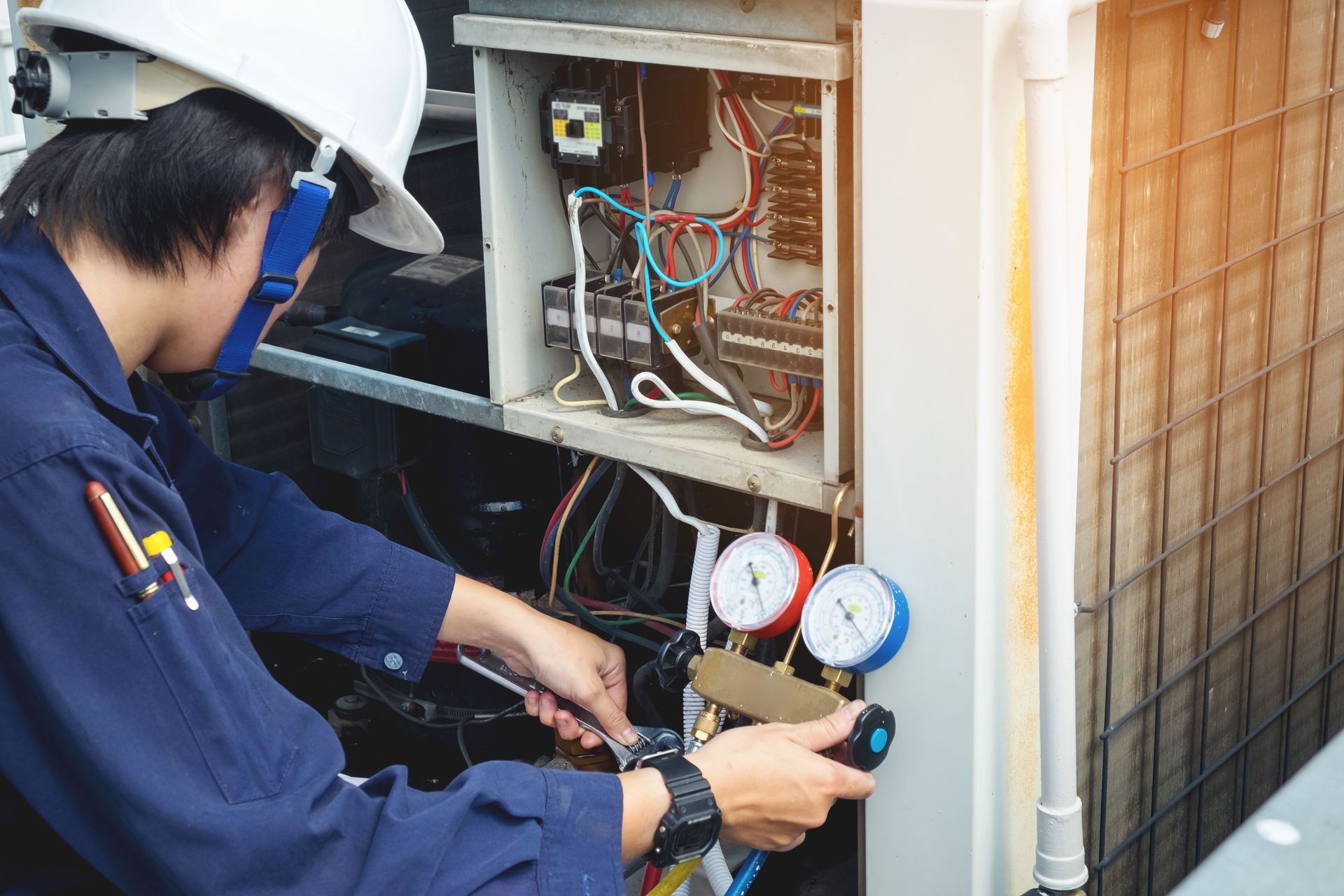
During each scheduled visit, technicians will typically examine all critical components. This can involve checking refrigerant levels, calibrating thermostats, and inspecting ductwork and filters. Proper scheduling of these maintenance sessions can greatly enhance your system's efficiency and long-term performance. By adhering to recommended maintenance intervals, not only is energy efficiency conserved, but the lifespan of the system is also extended. Technicians can also identify and address small issues, like minor leaks or worn belts, before they escalate into costly repairs. These preventive measures help avoid sudden system failures that could disrupt home comfort.
Maintain Key System Components
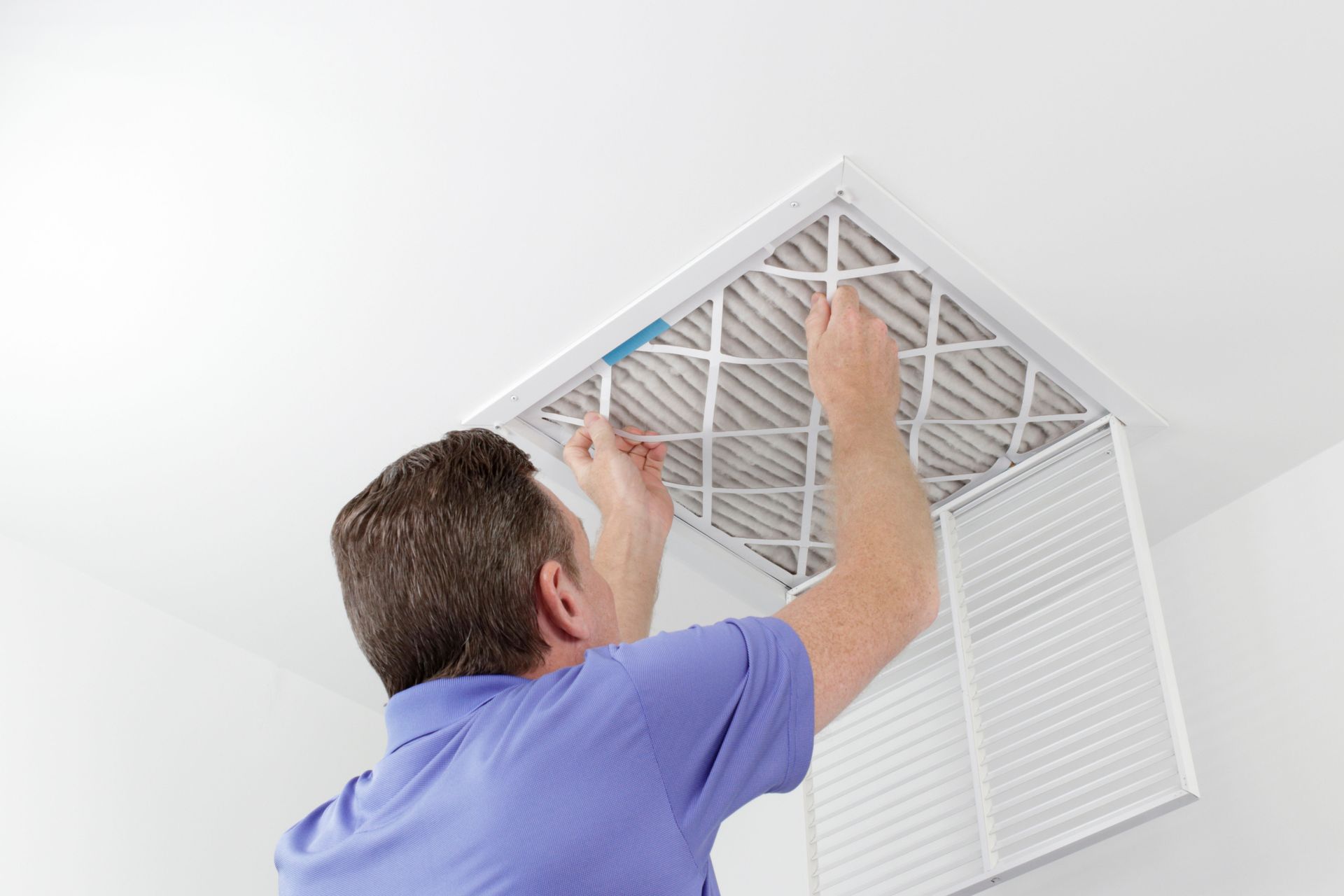
HVAC systems are composed of various components that each play a vital role in the system's overall performance. The key components that require regular HVAC maintenance include filters, coils, and the condenser. Filters, for instance, should be cleaned or replaced regularly, as a clogged filter can hinder airflow and reduce system efficiency. Dirty filters force the system to work harder, increasing energy consumption. Regular filter replacement also reduces strain on the blower motor, helping the system operate quietly and efficiently. Clean filters can also prevent dust and allergens from circulating throughout the home.
HVAC coils are another critical component that requires attention. Over time, coils can accumulate dirt, which reduces their ability to absorb heat. This reduces the system's cooling and heating capabilities, leading to increased energy usage. Routine cleaning of these coils ensures that they function at full capacity, allowing the system to maintain optimal performance and efficiency. Neglecting coil maintenance can result in uneven heating or cooling and force the system to run longer, further driving up energy costs. Clean coils also prevent ice buildup in cooling systems, which can lead to more extensive damage.
The condenser unit, typically located outside, is also essential for system maintenance. Leaves, dirt, and other debris can build up around the unit, obstructing airflow and increasing the system's workload. Regular inspection and cleaning of the condenser ensures that it operates efficiently. Including these tasks in routine maintenance checks helps reduce wear and tear, enhancing the system's durability and efficiency. Additionally, trimming plants and keeping debris away from the unit can prevent unnecessary strain on the compressor. A well-maintained condenser allows for quicker cooling and heating cycles, which saves energy and reduces costs.
Optimize Efficiency and Detect Issues
Regular HVAC maintenance is pivotal in maintaining and even enhancing system efficiency. One of the primary ways maintenance boosts efficiency is through the inspection and cleaning of filters and ducts. Clean components ensure that airflow is optimal and allow the system to operate without unnecessary strain. This not only reduces energy consumption but also minimizes the chances of emergency breakdowns. Clean ducts can also improve indoor air quality by reducing dust and allergens that circulate through the home. Ensuring optimal airflow keeps the system from overworking, which prolongs its lifespan and prevents costly repairs.
Furthermore, maintenance provides an opportunity for technicians to adjust and calibrate the system for maximum efficiency. This includes optimizing thermostat settings and ensuring that the system cycles correctly. A system that is well-calibrated runs more effectively, providing the desired temperature with minimal energy waste. With regular maintenance, the system is also less likely to face unexpected breakdowns, which can be costly both in repairs and increased energy bills. Technicians can also identify opportunities for energy-saving upgrades, such as programmable thermostats or more efficient components. These improvements further reduce monthly utility expenses and enhance overall system performance.
Another vital aspect of HVAC maintenance is the detection of leaks in the system, particularly refrigerant leaks, which can significantly decrease efficiency. Technicians can locate and repair leaks early, preventing the system from overexerting itself to maintain temperatures. By ensuring all components are in peak condition, regular maintenance maintains the system's integrity and efficiency, directly impacting energy consumption and costs. Prompt leak detection also helps the environment by preventing refrigerant emissions. Keeping the system properly charged with refrigerant ensures consistent cooling and heating throughout the home.
Protect Your System and Reduce Costs
Routine HVAC maintenance plays a crucial role in preventing major HVAC system repairs by addressing issues before they escalate. During a maintenance check, technicians thoroughly inspect the system, spotting early signs of wear or damage. This proactive approach allows for small repairs before they lead to more significant failures. By catching these minor issues early, homeowners can avoid the inconvenience and expense of major repairs. Regular inspections also provide an opportunity to identify inefficient components that could be upgraded. Taking care of these small improvements early ensures a smoother operation and better energy savings.
Moreover, regular maintenance ensures that system components are functioning as they should, reducing the overall strain on the unit. A well-maintained system is less likely to experience the stress that causes breakdowns, which can be both expensive and inconvenient. Technicians can also provide advice on best usage practices that prevent overworking the system, further extending the lifespan of components. Through routine maintenance, homeowners can enjoy peace of mind, knowing their system is less likely to incur unexpected failures. Technicians can recommend schedule adjustments or operational changes to maximize efficiency during peak usage periods. These recommendations help homeowners maintain comfort while keeping energy bills lower.
Routine HVAC maintenance is an investment that pays off in energy savings, system reliability, and peace of mind. By scheduling regular inspections and cleanings, you ensure critical components like filters, coils, and condensers function efficiently, reducing strain and preventing costly repairs. Beyond efficiency, maintenance helps protect warranties and extends the lifespan of your system. Homeowners who prioritize consistent maintenance enjoy lower energy bills, fewer breakdowns, and a comfortable, well-regulated home environment. Start a regular maintenance routine today to maximize comfort, efficiency, and savings for years to come. Reach out to E&M Heating, Plumbing & Air Conditioning to learn more about our services today.