November 11, 2026
Experiencing a sudden blast of chilly wind from your indoor heating vents creates immediate discomfort during freezing winter weather. Homeowners expect a warm, welcoming environment when they step inside their sanctuary, but malfunctioning equipment shatters that cozy expectation. Discovering the underlying root cause of this frustrating temperature issue saves your family from shivering through freezing nights. Implementing a reliable schedule for consistent HVAC maintenance prevents many of these unexpected breakdowns while keeping your living space comfortable.
According to WorkYard, roughly a third of people worry about their HVAC system, but only 30% invest in preventative care. This striking lack of preparation often leads to emergency repair situations when outdoor temperatures drop. Recognizing the early symptoms of mechanical failure allows you to address minor complications before they escalate into complete system failures. Partnering with our team ensures your equipment receives the careful attention it requires.
Verifying the Thermostat Fan Settings
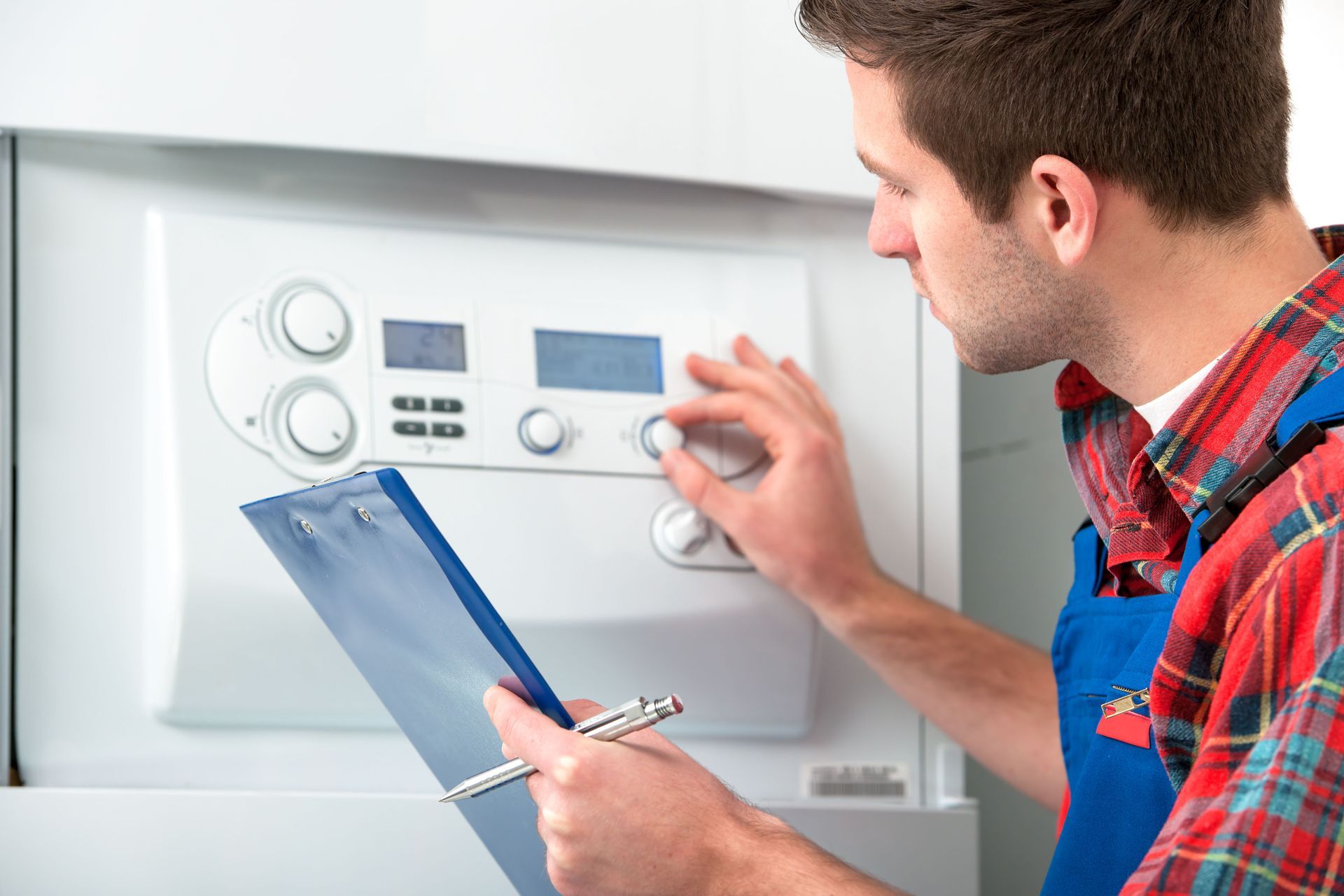
The simplest explanation for chilly breezes coming from your air registers often originates right at your wall-mounted control panel. Sometimes the system fan gets accidentally bumped from the automatic setting to the continuous operating mode. When the blower runs constantly without the burner igniting, it circulates room-temperature air throughout the entire house. Addressing this minor operational oversight forms a critical part of basic HVAC maintenance that homeowners can perform without calling a professional technician for help.
Adjusting the thermostat dial back to the automatic position should resolve the airflow circulation issue instantly. If the blower continues distributing unheated air after you modify the switch, a deeper mechanical failure might exist within the internal machinery. The device controlling the temperature might have lost its connection to the main heating unit situated in your basement or utility closet. Replacing the batteries inside the wall unit or checking for loose wiring restores vital communication between these essential components.
Inspecting the Air Filter Condition
A clogged airflow barrier remains a frequent culprit behind poor heating performance throughout older and newer residential properties alike. As dust and debris accumulate across the fibrous material, the system struggles to pull adequate fresh air into the main combustion chamber. This severe restriction causes the internal heat exchanger to overheat, triggering an automatic safety shutdown of the primary gas burners. Regular filter replacements stand out as the absolute most crucial element of ongoing HVAC maintenance for preserving overall equipment longevity.
Once the internal safety mechanism extinguishes the flames, the fan keeps spinning to cool down the overheated metal components. This protective cycle manifests as a steady stream of unheated air blowing out into your primary living areas. Removing the filthy barrier and sliding a pristine replacement into the designated filter slot restores proper airflow dynamics. If the system resets itself and begins generating warmth again, you have successfully resolved the overheating condition without requiring any specialized mechanical tools.
Examining the Pilot Light Status
Older heating models rely on a continuously burning small flame to ignite the primary gas burners upon receiving a heating demand. Strong drafts or accumulating dirt can extinguish this delicate blue flame, leaving the main burners incapable of igniting. Without proper combustion occurring inside the central chamber, the blower merely pushes unconditioned cold air through your expansive network of metal ducts. Homeowners can relight this small flame by following the printed instructions located on the exterior equipment casing.
If the tiny flame refuses to remain lit after multiple ignition attempts, the specialized sensor detecting its presence might require delicate cleaning. A soot-covered thermocouple fails to sense the heat generated by the pilot flame, prompting the safety valve to shut off the fuel supply. Our technicians possess the exact expertise needed to clean or replace this finicky component safely. Scheduling routine HVAC maintenance allows professionals to calibrate these crucial ignition components before they leave you freezing during a winter storm.
Cleaning the Flame Sensor Component
Contemporary heating systems utilize an electronic sensor rod to verify the presence of a healthy flame before releasing the full fuel payload. Over time, normal daily combustion processes deposit microscopic layers of stubborn carbon buildup across the sensitive metallic surface of this crucial safety device. When this specialized sensing rod becomes dirty, it fails to register the fire and shuts down the burners to prevent dangerous gas accumulation. The main blower fan continues running to clear any residual exhaust fumes, delivering a noticeable chill through your ceiling registers.
Detaching this slender metal rod and scrubbing the surface with appropriate abrasive materials restores its sensing capabilities. However, accessing the internal combustion chamber requires extreme caution and a thorough understanding of the intricate electrical systems involved. Entrusting this delicate cleaning procedure to the skilled technicians guarantees safe and effective mechanical results. Proper HVAC maintenance includes detailed cleaning of all internal sensors to prevent these frustrating burner misfires from ruining your relaxing evening.
Checking the Ductwork for Leaks
Sometimes the furnace itself operates without mechanical flaws, but the delivery network fails to transport the conditioned air to its final destination. Gaping holes or disconnected joints within the expansive metal ductwork allow precious heat to escape into uninsulated attics or damp crawlspaces. As the warm air leaks out, the system pulls chilly ambient air from those unfinished spaces and distributes it throughout your primary living areas. Sealing these hidden structural breaches ensures the warmth generated by your burners reaches the rooms you inhabit daily.
Finding these elusive leaks often requires diagnostic equipment capable of measuring pressure differentials across the entire air distribution network. Professional HVAC contractors possess the advanced thermal imaging cameras necessary for pinpointing exactly where your valuable heat vanishes into the structural voids. Repairing compromised ventilation channels improves overall household energy efficiency and reduces the financial burden of soaring winter utility bills. Including comprehensive ductwork evaluations as part of your seasonal HVAC maintenance guarantees maximum comfort and optimal indoor airflow distribution.
Understanding the Limit Switch Function
The upper limit switch serves as the primary thermal watchdog guarding against catastrophic overheating within the central metal equipment chassis. When this protective sensor detects dangerously high internal temperatures, it severs power to the gas valve while forcing the blower to run continuously. A malfunctioning limit switch might stick in the open position, tricking the main computer into thinking the system remains overheated. This faulty electronic reading forces the fan to circulate chilly breezes endlessly until a trained technician replaces the defective component.
Testing the electrical continuity of this specialized safety switch requires a precision diagnostic multimeter and extensive knowledge of complex wiring schematics. Bypassing this crucial safety mechanism poses a severe fire hazard and should never be attempted by inexperienced individuals seeking a quick weekend fix. Our knowledgeable technicians carry replacement safety switches for all major equipment brands in their fully stocked service vehicles. Investing in preventative HVAC maintenance allows professionals to identify degrading limit switches before they fail and leave you shivering.
Exploring Professional Repair Solutions
Attempting complex repairs on pressurized gas appliances without proper industry certification creates dangerous hazard situations for your entire family. The intricate interplay between volatile natural gas fuel, high-voltage electricity, and invisible exhaust gases demands deep respect and extensive technical training. Certified technicians possess the specialized diagnostic tools and protective safety gear necessary for safely dismantling, inspecting, and reassembling these powerful climate control machines. Relying on professional expert intervention guarantees that all vital safety mechanisms function perfectly before the equipment resumes heating your living space. Contact E&M Heating, Plumbing & Air Conditioning today to learn more.