March 11, 2026
Preventative HVAC maintenance is one of the simplest ways to keep monthly operating costs under control while avoiding surprise breakdowns. When heating and cooling equipment runs with dirty filters, loose electrical connections, or low refrigerant, it has to work harder and longer to deliver the same comfort. That extra strain shows up on utility bills, repair invoices, and shortened equipment life. Partnering with an HVAC company for routine service helps you spot small issues early, keep performance steady, and make smarter decisions about repairs and replacements.
Reducing Emergency Repair Costs
Emergency HVAC calls tend to be more expensive because they happen at the worst times, such as during heat waves or cold snaps, when systems are under the most stress. A unit that has not been inspected can develop minor problems that quietly worsen, such as worn belts, clogged drains, or failing capacitors. Those issues often lead to larger failures that require urgent labor, specialized parts, or temporary cooling solutions. Preventative maintenance reduces the chances of these sudden events by catching warning signs before they trigger a shutdown.
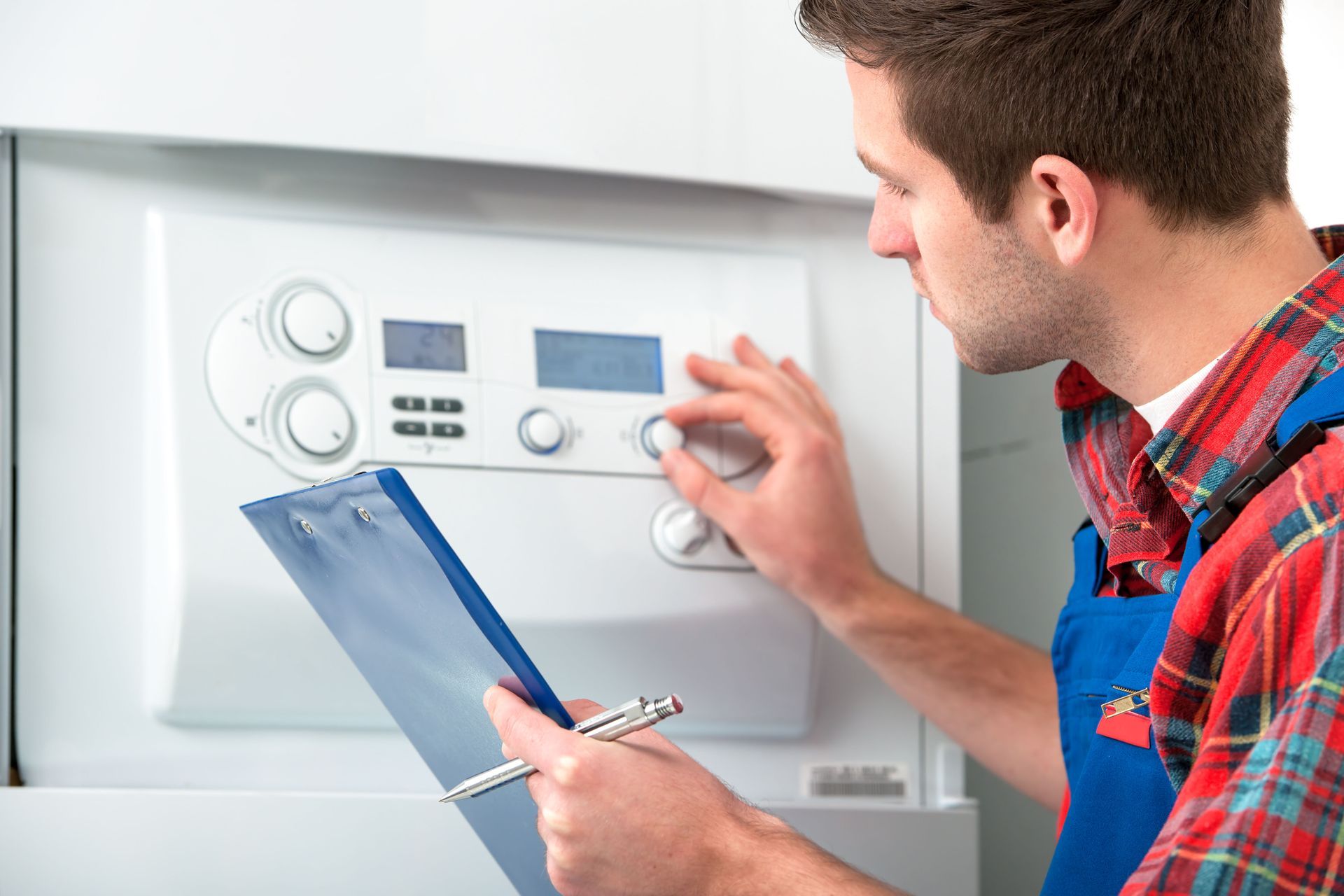
Routine visits usually include checking electrical components, tightening connections, measuring system pressures, and testing safety controls. When a technician identifies a part that is weakening, you can schedule a planned repair at a convenient time instead of paying premium rates for an urgent visit. A consistent maintenance schedule also helps an HVAC company build a service history for your equipment, which makes troubleshooting faster if a problem occurs. Over time, fewer emergencies and shorter repair visits can add up to meaningful savings.
Lowering Energy Use Through Efficient Operation
Your heating and cooling system is often one of the largest energy users in the building, so even small efficiency losses can raise monthly costs. Dust buildup, restricted airflow, and improper calibration can cause longer run times and uneven temperatures. That leads to more cycling, increased wear, and higher energy consumption. Preventative maintenance supports efficiency by keeping airflow, controls, and heat transfer surfaces in better working condition.
A service appointment may include replacing filters, cleaning coils, clearing drain lines, and confirming thermostat accuracy. These steps help the system move air more effectively and maintain set temperatures with less effort. An HVAC company can also identify operational patterns that waste energy, such as short cycling, incorrect fan settings, or an oversized unit running inefficiently. Addressing these issues improves comfort while lowering utility bills month after month.
Extending Equipment Life and Delaying Replacement
HVAC equipment wears out faster when it runs under constant strain, especially when airflow is restricted or parts are operating outside normal ranges. Preventative maintenance helps reduce that strain by keeping the system clean, lubricated where applicable, and operating within expected specifications. When components run smoothly, motors, compressors, and fans are less likely to overheat or fail prematurely. The result is often a longer service life and fewer major component replacements.
Delaying replacement is where many property owners see the biggest financial benefit. Replacing a major system involves equipment costs, labor, potential duct or electrical modifications, and downtime planning. Maintenance helps you get more value from the system you already own by slowing wear and supporting stable performance. Even extending equipment life by a few years can significantly improve the long-term cost of ownership.
Maintaining Warranty Coverage and Service Documentation
Many manufacturer warranties require proof of routine maintenance, especially for commercial-grade equipment and higher-end residential systems. If a major component fails, missing documentation can complicate claims and increase out-of-pocket costs. Preventative service creates a consistent record of inspections, measurements, and repairs. That paper trail can be valuable when warranty questions arise or when you are planning future upgrades.
A reliable HVAC company can provide service reports that document what was inspected, what was cleaned, and what was adjusted. Those reports help verify that the system was maintained according to recommended intervals and that problems were addressed promptly. Documentation also supports better decision-making because you can track recurring issues, part replacements, and performance changes over time. When you know what has been done and what is trending, you can avoid reactive spending and plan improvements more strategically.
Preventing Indoor Air Quality Issues and Comfort Complaints
Preventative maintenance is not only about mechanical reliability, as it also affects indoor air quality and occupant comfort. Dirty filters and coils can circulate dust and allergens, while clogged drain systems can contribute to moisture problems. Poor airflow can create hot and cold spots that lead to constant thermostat adjustments and complaints. When the system is maintained, it can distribute air more evenly and support cleaner circulation.
Maintenance also helps identify issues that are easy to miss, such as duct leakage, improper ventilation rates, or a blower that is not moving enough air. An experienced HVAC company can evaluate these performance details during routine service and recommend targeted corrections. These problems may not cause an immediate breakdown, but they can increase energy use and reduce comfort for months. Addressing them early is usually less expensive than dealing with chronic comfort issues, tenant dissatisfaction, or moisture-related repairs. Cleaner airflow and steadier temperatures can also protect furnishings, electronics, and building materials from excessive humidity swings.
Planning Budgets With Predictable Maintenance Costs
Preventative maintenance turns unexpected HVAC spending into a predictable line item. Instead of reacting to breakdowns with urgent repair decisions, you can plan routine service and address repairs on a schedule. Predictability makes it easier to allocate funds, compare repair options, and prioritize improvements that deliver the best value. It also reduces the likelihood that multiple major expenses occur at the same time.
Working with an HVAC company can help you build a long-term plan that matches the age and condition of your equipment. A good plan may include seasonal tune-ups, targeted part replacements, and performance checks tied to peak heating and cooling seasons. This approach supports fewer surprises and more informed replacement timing, including setting aside funds before a system reaches the end of its useful life. When budgeting becomes proactive instead of reactive, the financial impact of heating and cooling becomes easier to manage.
Coordinating Preventative Care Across Home Systems
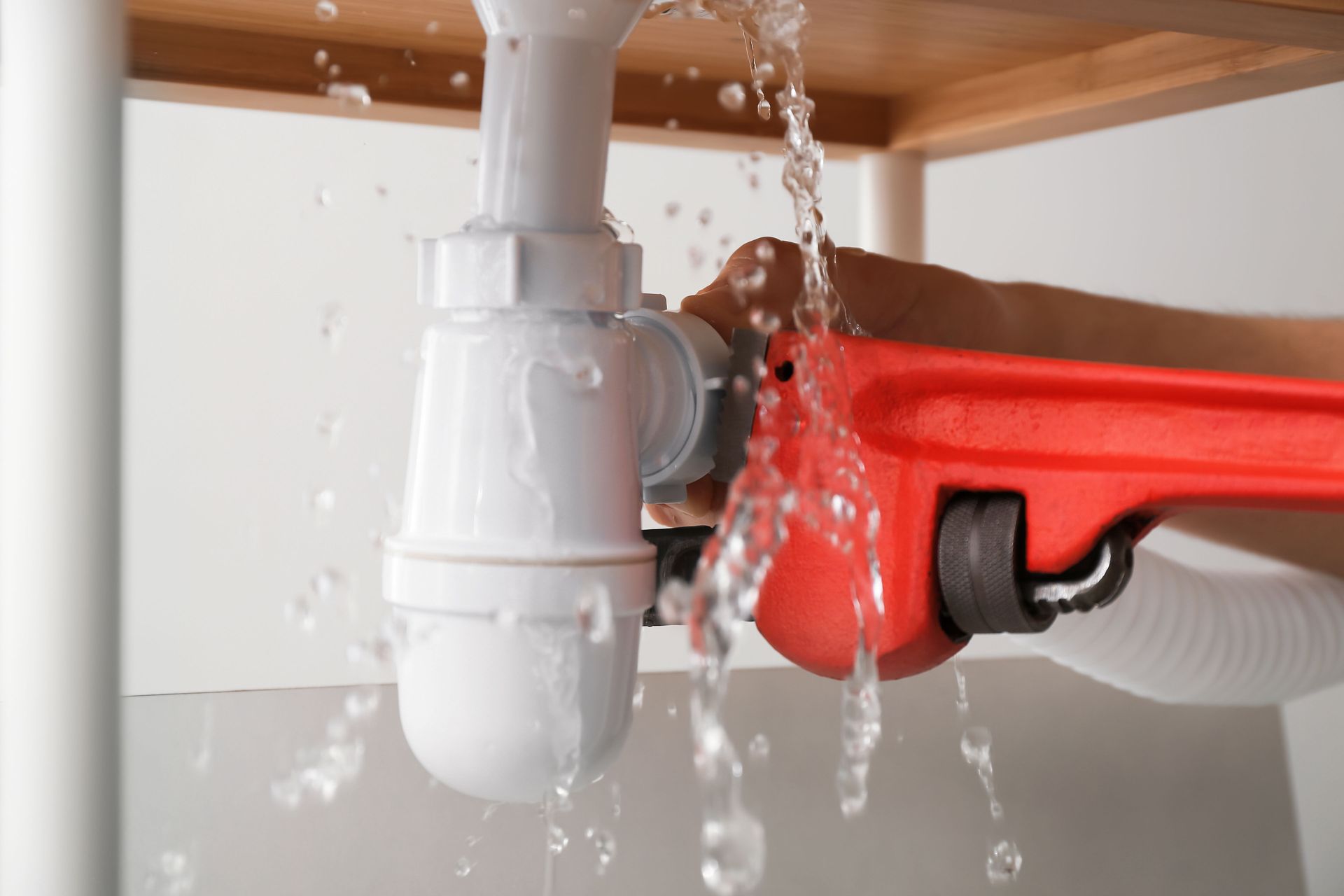
Saving money through preventative maintenance is not limited to heating and cooling, since it works best when applied across the home’s core systems. Plumbing, electrical, and HVAC all influence comfort, safety, and operating costs. When homeowners plan routine checkups for each system, they reduce the likelihood of sudden failures that require emergency service. Coordinating maintenance schedules can also help reduce downtime and create a clearer picture of overall home performance.
According to MrRooter.com, homeowners are advised to arrange a full basic plumbing maintenance service once a year. That same mindset applies to heating and cooling because small problems tend to grow when they are ignored. By scheduling preventative service at consistent intervals, you can catch water leaks, airflow issues, and control problems before they become costly repairs. A whole-home approach also supports better budgeting because you spread maintenance expenses throughout the year instead of paying for large surprises. Over time, steady upkeep supports a safer home, more consistent comfort, and lower long-term ownership costs.
Preventative HVAC maintenance saves money by reducing emergency repairs, lowering energy use, extending equipment life, and supporting predictable budgets. It also helps maintain comfort and indoor air quality, which can reduce secondary costs tied to moisture, wear, and repeated troubleshooting. If you want to cut avoidable expenses and keep your system running reliably, an HVAC company can help you build a maintenance plan that fits your property and your priorities. Contact E&M Heating, Plumbing & Air Conditioning to schedule preventative maintenance and start saving with a smarter approach to comfort.