May 5, 2026
As summer approaches, it's crucial to ensure your HVAC system is equipped to handle rising temperatures. Proper preparation can improve efficiency, reduce energy costs, and extend the life of your system, especially when relying on AC services to maintain consistent performance. According to HomeGrail.com, 75% of U.S. homes have air conditioning units installed. This highlights how important cooling systems are for everyday comfort during warmer months.
Efficient HVAC Inspection
Inspect System Components
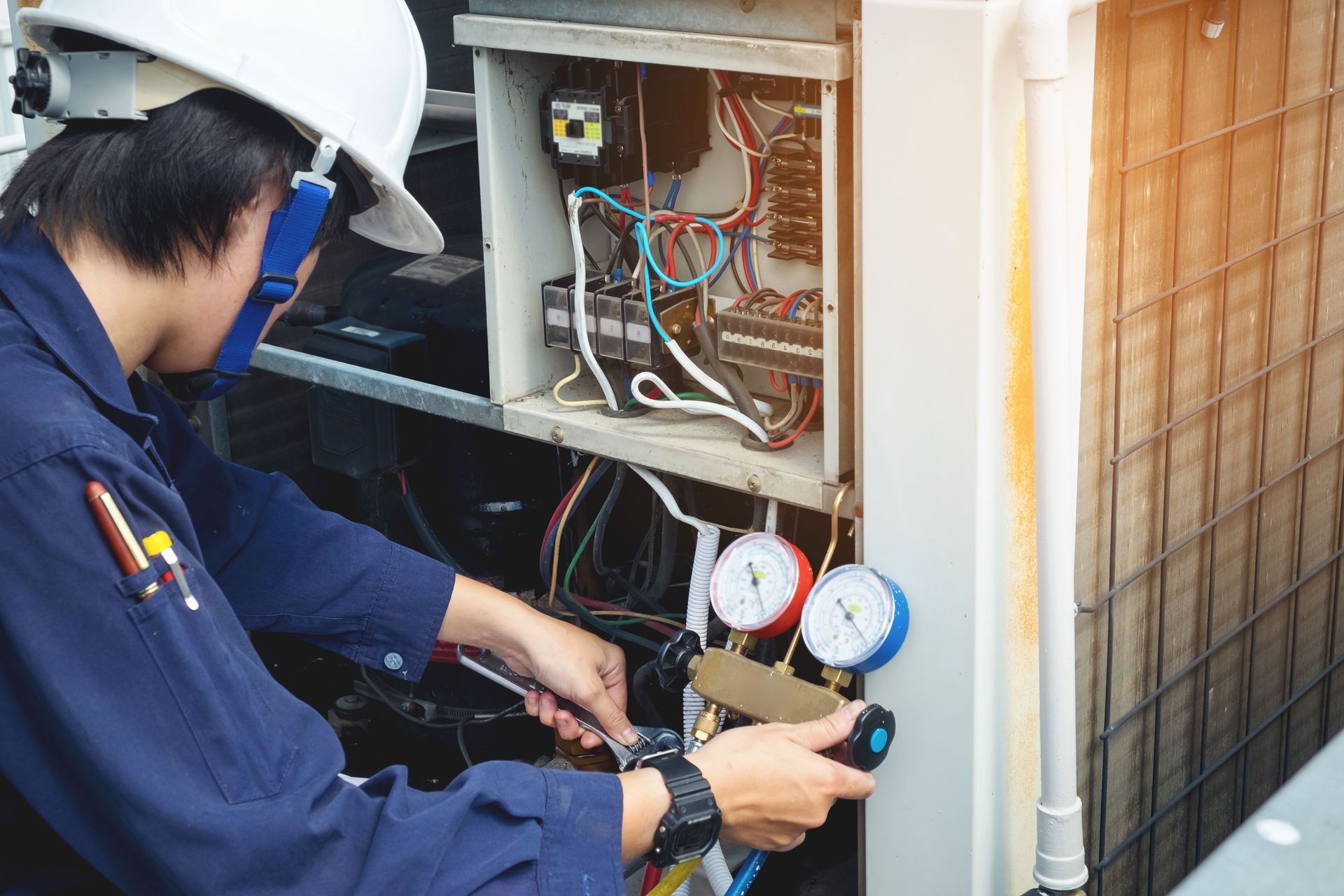
Start your HVAC preparation with a thorough inspection of system components, especially if your AC services are scheduled for seasonal maintenance. This includes examining visible parts like pipes, wires, and the thermostat to ensure everything is functioning as expected. Signs of wear, rust, or damage should be addressed early to prevent more serious issues from developing. Routine inspection helps maintain system dependability during periods of heavy use.
Evaluating system components helps maintain efficiency and reduces unnecessary strain on equipment over time. Small issues that go unnoticed can impact performance and lead to higher energy usage if not corrected. Staying proactive with inspections supports consistent cooling and helps extend system lifespan during peak demand periods.
Listen for Unusual Noises
Overall, unusual noises from your HVAC system can indicate mechanical issues that may require attention from AC services. Sounds such as rattling, squealing, or grinding often suggest loose or worn components. Addressing these signs early can help prevent more significant system damage and maintain steady operation.
Different noises often point to specific internal concerns, such as motor strain or shifting parts. Identifying these early helps maintain smoother operation and reduces the likelihood of system failure. Regular monitoring of system sounds contributes to long-term dependable performance and stable operation.
Inspect Air Filters
All in all, air filters are essential for maintaining airflow and indoor air quality, and they are often checked during routine AC services. Over time, filters collect dust and debris that can reduce system efficiency if left unchanged. Inspecting them before peak summer use helps ensure proper airflow and cooling performance.
Clean filters reduce strain on the system and support more efficient operation throughout the cooling season. Restricted airflow can cause the system to work harder than necessary, increasing energy consumption. Regular filter maintenance helps maintain steady performance and healthier indoor conditions.
Ensure Thermostat Functionality
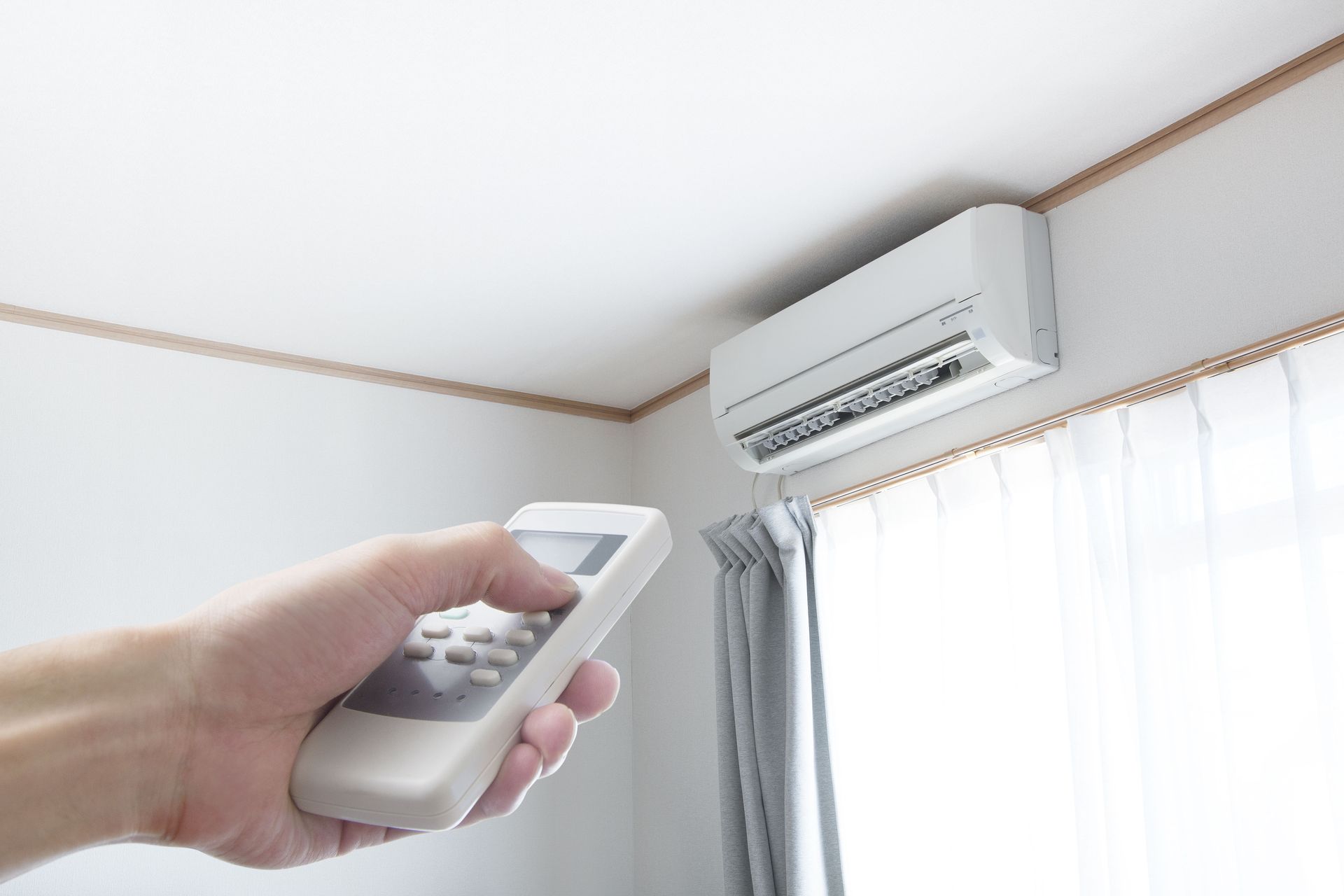
The thermostat serves as the control center for HVAC operation and is often evaluated during AC services. Testing it before high temperatures arrive ensures the system responds accurately to settings. Any inconsistencies may indicate the need for recalibration or replacement.
A properly functioning thermostat supports consistent comfort and efficient system performance. Upgrading to programmable or smart models can improve energy management by adjusting temperatures based on usage patterns. This helps maintain comfort while reducing unnecessary system strain.
Evaluate Energy Bills
Generally, energy bills can provide insight into how efficiently HVAC systems are operating, especially when reviewing the results of recent AC services. Sudden increases in usage may indicate airflow issues, system inefficiencies, or insulation concerns. Identifying these patterns early can help guide maintenance decisions.
Tracking energy consumption over time helps identify changes in system behavior. These patterns can highlight when adjustments or servicing may be needed. Understanding energy usage supports more efficient operation during periods of high cooling demand.
Proper HVAC Maintenance
Clean Outdoor Units
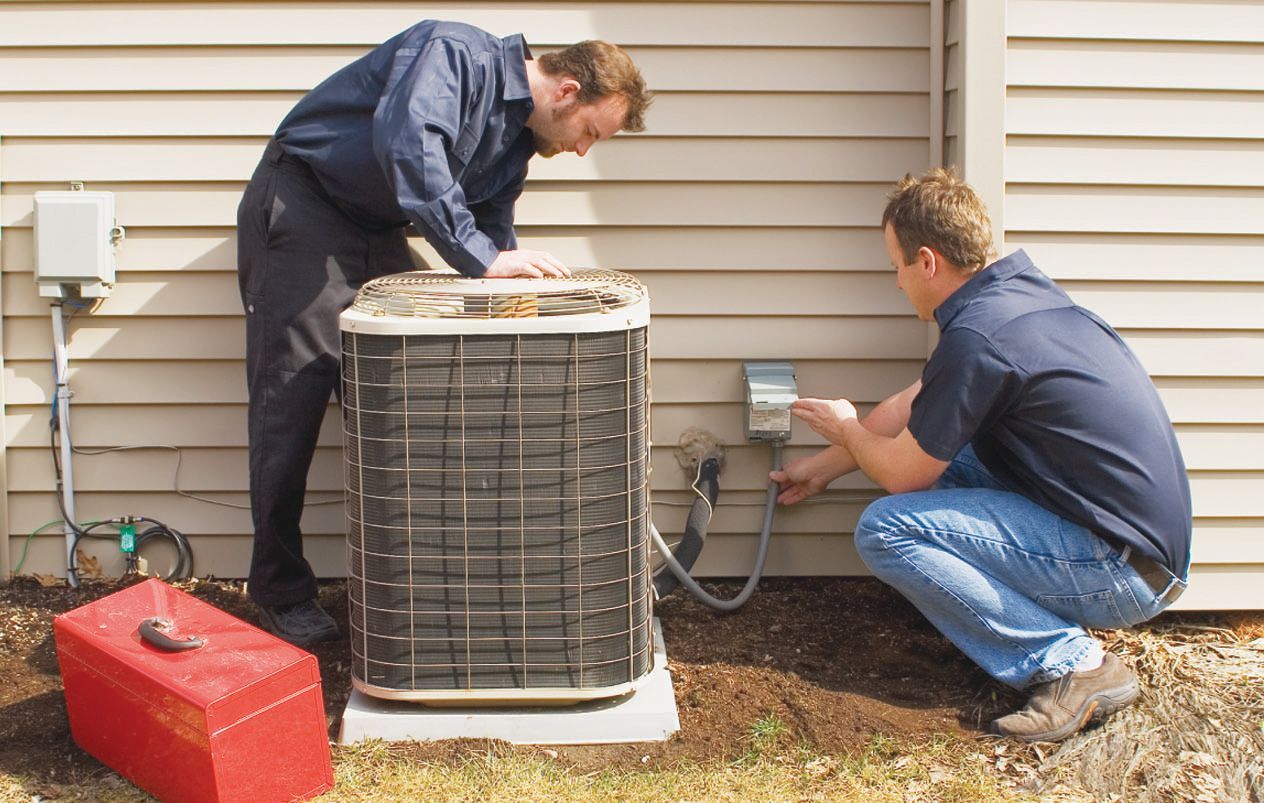
Overall, outdoor units play a key role in heat exchange and are often serviced during AC services to ensure proper airflow. Dirt, leaves, and debris can accumulate around the unit and reduce efficiency. Keeping the area clear helps maintain consistent system performance.
Routine maintenance of the outdoor unit helps prevent overheating and reduces unnecessary strain on system components. Clear airflow around the unit supports better cooling performance during peak temperatures. This helps the system operate more efficiently under heavy demand.
Replace or Clean Filters
Air filters should be regularly replaced or cleaned as part of ongoing AC services. Dirty filters restrict airflow and reduce overall system performance. Maintaining clean filters supports efficient cooling and better indoor air quality.
Filter condition directly affects how well the system operates during high-use periods. Depending on household conditions, filters should be checked regularly to ensure proper function. Consistent maintenance helps reduce strain and supports energy efficiency.
Lubricate Moving Parts
HVAC systems contain moving parts that require lubrication to reduce friction and wear. This type of maintenance is often included in AC services to ensure smooth operation. Proper lubrication helps maintain system efficiency and reduces mechanical stress.
Regular lubrication supports longer component lifespan and helps reduce operational noise. It also prevents overheating caused by excess friction in moving parts. These small maintenance steps contribute to overall system dependability.
Check Condensate Drains
These drains remove moisture produced during cooling and are often evaluated during AC services. If these drains become blocked, water can build up and affect system performance. Regular checks help prevent moisture-related issues.
Keeping drain lines clear supports proper humidity control within the system. Blockages can lead to overflow and reduced efficiency if not addressed. Routine maintenance helps ensure consistent operation during humid conditions.
Maintain Ductwork
It might seem obvious, but ductwork distributes conditioned air throughout the home and is often assessed during AC services. Over time, dust and debris can build up and affect airflow. Maintaining duct conditions helps support consistent air distribution.
Proper HVAC maintenance may include evaluating ductwork to ensure balanced airflow and system efficiency. Restricted airflow can cause the system to work harder than necessary. Maintaining duct condition supports overall system performance and comfort.
Balanced HVAC Efficiency Optimization
Seal Duct Leaks
These leaks can reduce efficiency by allowing conditioned air to escape before reaching living spaces, which is often addressed during AC services. This forces the system to work harder to maintain desired temperatures. Sealing leaks helps improve overall system performance.
Addressing duct leaks early helps reduce unnecessary energy use and supports consistent indoor comfort. Improved airflow delivery allows the system to operate more effectively. This contributes to better performance during high-demand periods.
Improve Airflow Efficiency
Proper airflow is essential for HVAC performance and is often reviewed during AC services. Blockages or imbalances can reduce system efficiency and increase energy use. Maintaining clear airflow pathways supports smoother operation.
Well-maintained components help distribute air more effectively throughout the home. This reduces strain on the system during peak cooling periods. Consistent airflow supports stable indoor temperatures. It also helps prevent uneven cooling between rooms, which can improve overall comfort throughout the space. Over time, this level of balance can support more efficient system performance during extended use periods.
Maintain System Performance
Ongoing maintenance helps ensure HVAC systems continue operating efficiently, especially when supported by AC services. Regular inspections and adjustments reduce the risk of unexpected issues. This helps maintain consistent system operation.
A well-maintained system is better equipped to handle increased cooling demand. This supports steady indoor comfort and improved efficiency during hot weather. Consistent care helps extend overall system lifespan.
Preparing your HVAC system for summer heat involves a combination of inspection, cleaning, and routine efficiency-focused maintenance supported by AC services. Each step works together to improve performance, support consistent energy use, and maintain indoor comfort during high-demand periods.
To learn more about professional HVAC installation, repair, and maintenance services, E&M Heating, Plumbing & Air Conditioning offers full-service support for both residential and commercial systems, helping our equipment operate dependably throughout the year.