June 8, 2026
Older homes possess an undeniable charm and architectural character that modern constructions rarely replicate. From intricate molding to hardwood floors, these properties represent a craftsmanship that stands the test of time. However, beneath the beautiful aesthetics and historic details lies a complex network of aging infrastructure. Homeowners who purchase these vintage properties often find themselves facing unique maintenance challenges that require specialized attention, particularly when it comes to the internal systems that keep the household running smoothly.
Among these internal networks, the plumbing framework is frequently the most vulnerable to the passage of time. Decades of water flow, shifting foundations, and outdated materials can culminate in hidden issues that eventually disrupt daily routines. Understanding these weak points allows homeowners to anticipate maintenance and address minor issues before they escalate into major household emergencies. Investing time in learning about these common vulnerabilities is an essential part of preserving an older property for future generations.
1. Whole-House and Sectional Pipe Replacement
Many residential properties constructed prior to the 1960s relied heavily on galvanized steel for their main water lines. Over decades of constant exposure to moisture and oxygen, the zinc coating on these pipes inevitably breaks down, leading to widespread corrosion inside the line. This internal rusting constricts the water pathway, resulting in lower water pressure and a distinct metallic taste or discoloration.
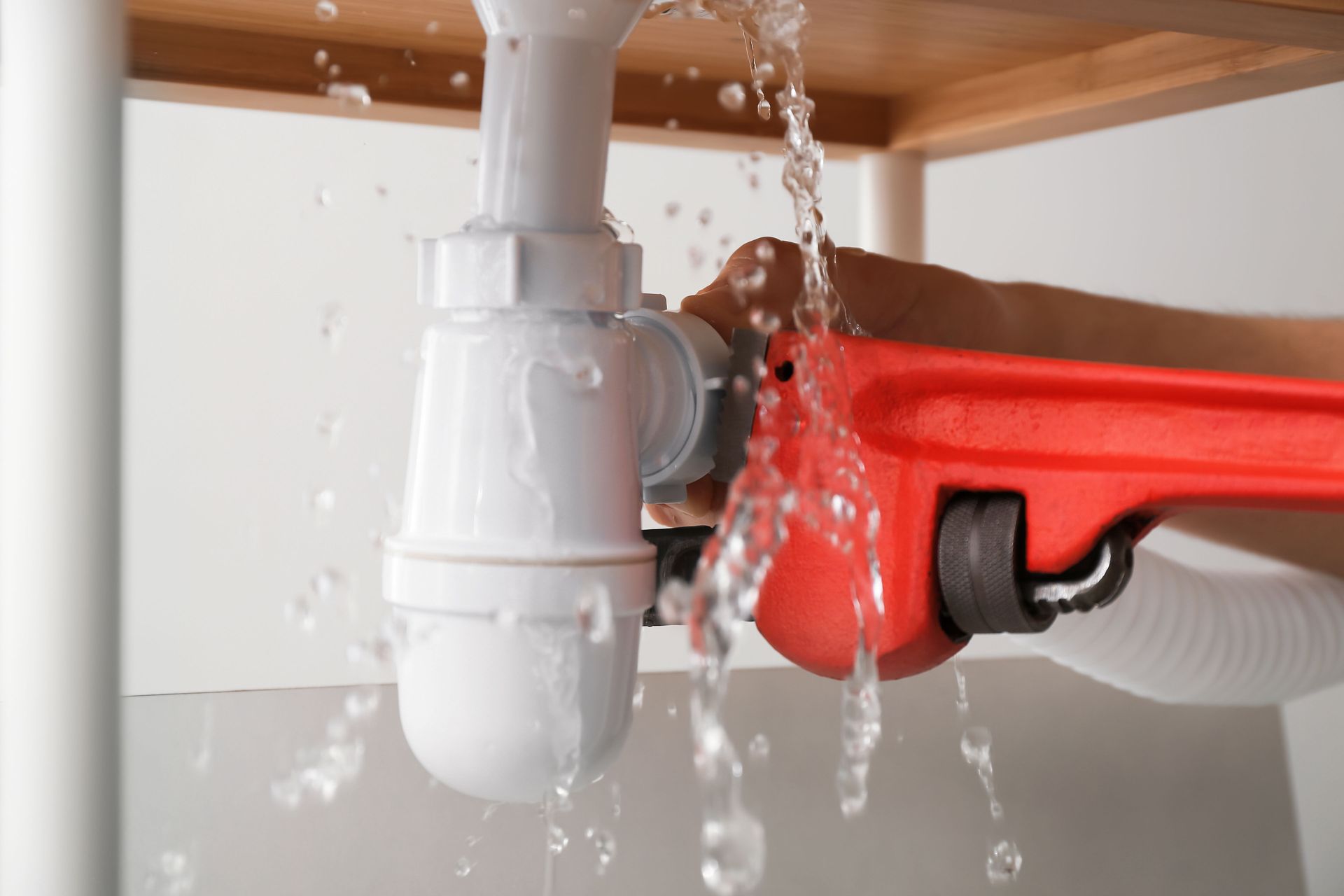
As the corrosion worsens, the structural integrity of the metal degrades, which ultimately leads to pinhole leaks behind walls or beneath floorboards. When this happens, property owners must invest in professional plumbing repairs to replace the compromised sections with modern, durable materials like copper or PEX. Ignoring early warning signs of pipe degradation frequently leads to extensive water damage and expensive remediation.
If you suspect your older property still utilizes galvanized steel, it is wise to have a professional technician inspect the entire visible system. They can determine whether a partial replacement is sufficient or if the entire house requires a comprehensive repiping project. Taking care of these outdated lines early protects your home from catastrophic water failures.
According to IBISWorld, more than 129,000 plumbing businesses operate across the U.S., meaning homeowners have access to expert help regardless of their location. Finding a qualified technician who understands the nuances of vintage structural layouts ensures that your pipe upgrades comply with current local building codes while respecting the original design of the house.
2. Rebuilding and Retrofitting Vintage Fixtures
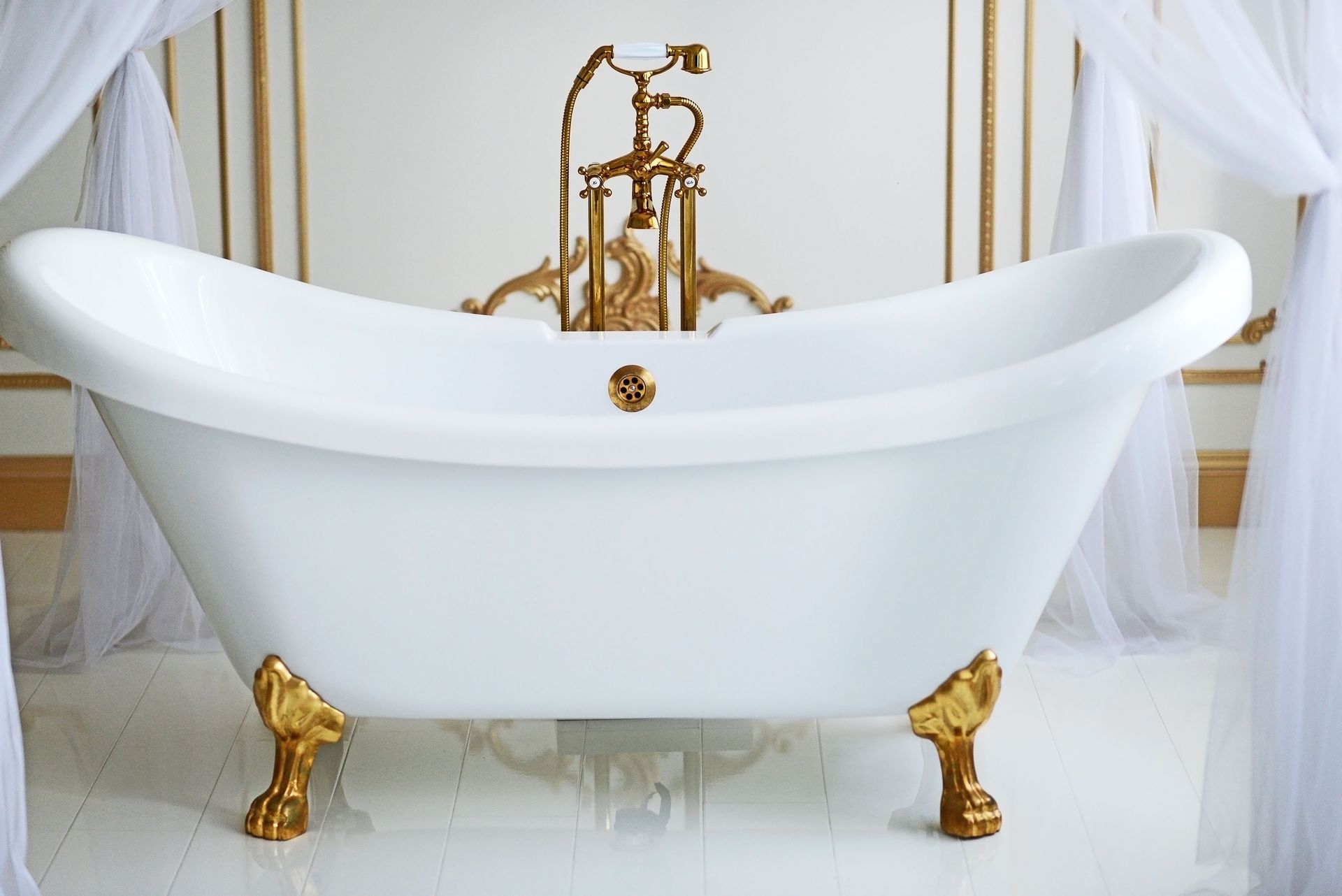
Fixtures in vintage properties often feature beautiful, intricate designs that complement the historic aesthetic of the house. Unfortunately, internal components of old brass faucets are subject to mechanical wear that modern fixtures handle more efficiently. Over time, the rubber washers, seals, and O-rings inside these classic handles dry out, crack, and lose their ability to create a watertight barrier.
A dripping faucet might seem like a minor nuisance, but a steady leak can waste hundreds of gallons of water every month, driving up utility bills needlessly. Addressing these issues promptly through plumbing repairs conserves resources and prevents mineral stains on antique porcelain fixtures. In many cases, a simple rebuild of the internal valve mechanism can restore the fixture to perfect functionality.
However, finding exact replacement parts for decades-old fixtures can sometimes present a significant challenge for homeowners. Professional plumbing repairs often involve sourcing vintage-style components or retrofitting modern internal cartridges into the existing housing to maintain the historic look. If the internal brass casing has suffered severe pitting from mineral deposits, a complete fixture replacement is likely the practical option.
When replacement is the only viable option, manufacturers now offer high-quality reproductions that mimic classic designs while incorporating modern, leak-resistant technology. This preserves vintage charm without sacrificing reliability or efficiency.
3. Hydro-Jetting and Trenchless Sewer Line Repairs
The waste management lines connecting older homes to the municipal sewer system are frequently constructed from vitrified clay or cast iron. While clay tile pipe resists chemical corrosion well, it is highly susceptible to structural damage caused by shifting soil and invasive tree roots. Over decades, nearby trees extend root systems deep into the ground, seeking out the moisture and nutrients found inside sewer lines.
Tree roots can easily exploit tiny hairline cracks or loose joints in clay pipes, forcing their way inside and creating dense, fibrous blockages. As these roots grow, they catch passing debris, leading to frequent backups in basement drains and slow toilets throughout the house. Special plumbing repairs, like hydro-jetting or mechanical root cutting, are required to clear the pathway for deep blockages.
If the root intrusion is severe, the pressure exerted by the growing plant matter can completely fracture the clay tile, causing the surrounding soil to collapse into the line. In these critical situations, traditional excavation or modern trenchless plumbing repairs are necessary to restore proper waste flow away from the property. Homeowners should monitor their yards for unusual damp spots or localized patches of bright green grass, which often indicate a broken underground line.
Regular diagnostic camera inspections of your main waste line can catch underground structural shifts before a total backup occurs. This proactive approach prevents a messy, stressful sewage backup inside your living space.
4. Water Heater Flushing and Modern System Upgrades
While the structural pipes and fixtures in an older property can sometimes last for many decades, the water heater has a much shorter operational lifespan. Traditional tank heaters in vintage homes face continuous thermal stress and mineral accumulation, especially in hard water areas. Over the years, calcium and magnesium sediment settle at the bottom of the tank, creating an insulating layer that forces the burner to work harder.
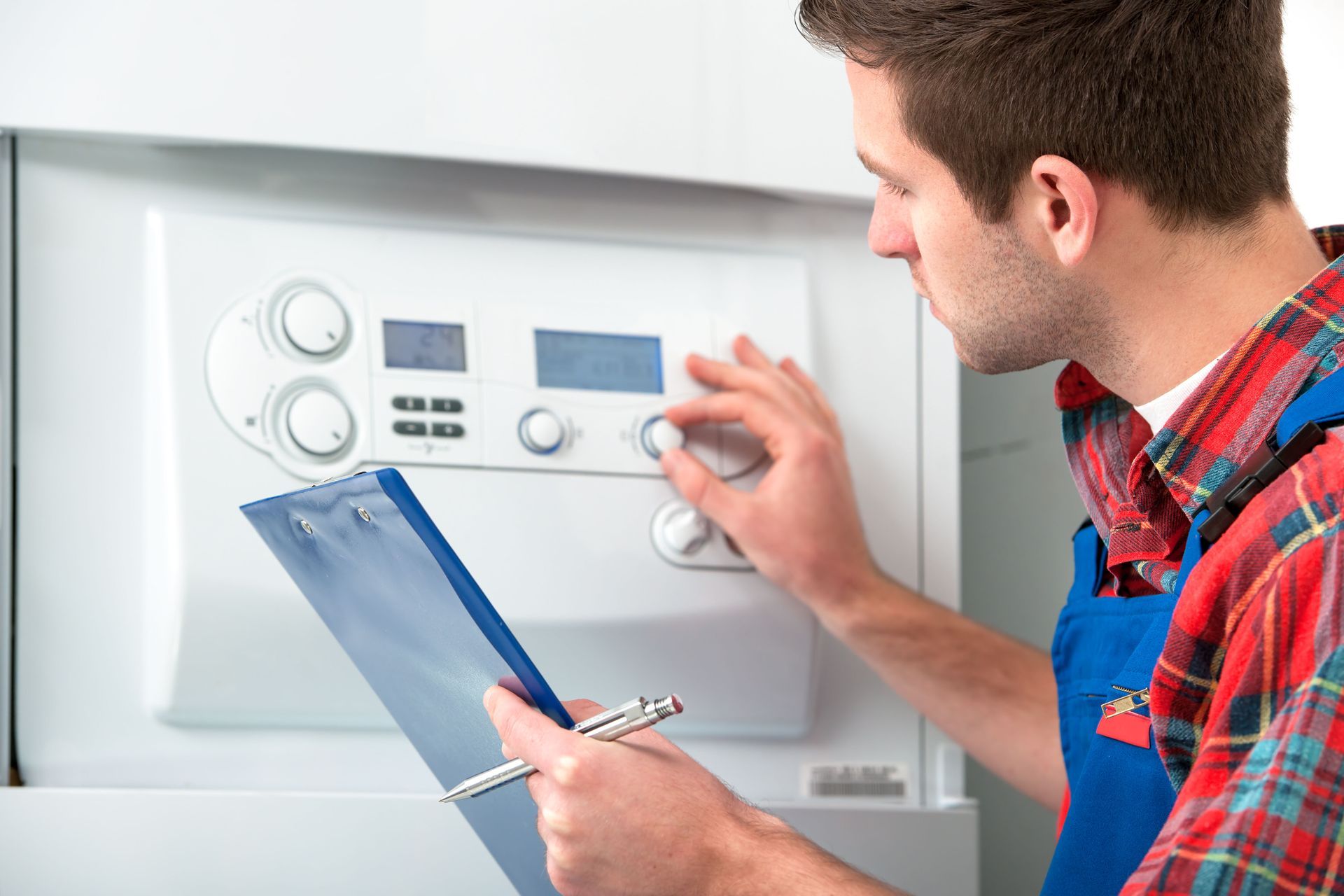
This extra strain accelerates the degradation of the metal tank, eventually leading to a ruptured base and significant basement flooding. Investing in routine plumbing repairs, such as flushing the tank annually and replacing the sacrificial anode rod, can extend the life of the appliance. However, if the unit is more than a decade old, it's often more economical to replace it.
Modern replacement options include high-efficiency storage tanks or compact tankless systems that heat water on demand, saving space and reducing monthly energy consumption. Upgrading this vital system ensures that your historic property enjoys a reliable supply of hot water without the constant threat of a catastrophic tank failure.
Consulting with an experienced professional helps you navigate the options and select a system that integrates smoothly with your existing vintage infrastructure. They can evaluate your daily usage to recommend the perfect unit.
Maintaining an older property requires a balanced combination of patience, financial planning, and a willingness to address hidden maintenance needs. The distinct character and history of these homes make the effort worthwhile, provided you stay vigilant about the condition of the vital utilities operating behind the scenes. By recognizing the warning signs of pipe corrosion, fixture failure, sewer line obstructions, and water heater decline, you can manage the unique demands of vintage home ownership effectively.
Partnering with qualified professionals ensures that every upgrade respects the architectural integrity of your property while delivering modern reliability. With proper care, the plumbing network in your historic house can perform just as reliably as a modern system.
If your property is showing signs of aging infrastructure, don't wait for a minor leak to become a major problem. Contact our experienced team at E&M Heating, Plumbing & Air Conditioning today to schedule your diagnostic inspection and ensure your home receives the highest quality plumbing repairs.